
About Sälen · The history of Sälen
Sälen's history - from mountain village to one of Sweden's largest ski paradises
From mountain pastures and mountain farmers to Vasaloppet and modern ski resorts – Sälen’s journey here.
The largest cottage
24guests, Gattarstugan
The whole house from
29,500 SEKweek, low season
Other guests
0no shared facility
The largest group
53three houses together
Among the majestic mountains of Dalarna lies Sälen - a place where history meets modern adventure. From simple mountain huts and traditional forestry to a vibrant centre of winter tourism, Sälen has undergone a remarkable transformation over the centuries. Here, where the Västerdalälven winds through the landscape and the Transtrand mountains rise to the sky, generations have shaped a distinctive mountain culture in Dalarna.
At Sälengodset, Fjällgodset and Olarslodgen we have been inspired by the rich cultural heritage of the area. Our accommodation pays homage to the traditions of the mountains - places where you can experience contemporary comfort surrounded by the presence of history. As you join us on our journey through Sälen's history, from the first settlers to today's modern ski paradise, we hope you'll share our sense of wonder at this unique place.
Join us on a historical walk through time, from the first mountain pastures to today's bustling ski slopes, and discover how Sälen developed from a remote mountain village to one of Sweden's most beloved tourist destinations.
This content is part of our SälenFjällen-guide, where we bring together culture, nature and experiences.
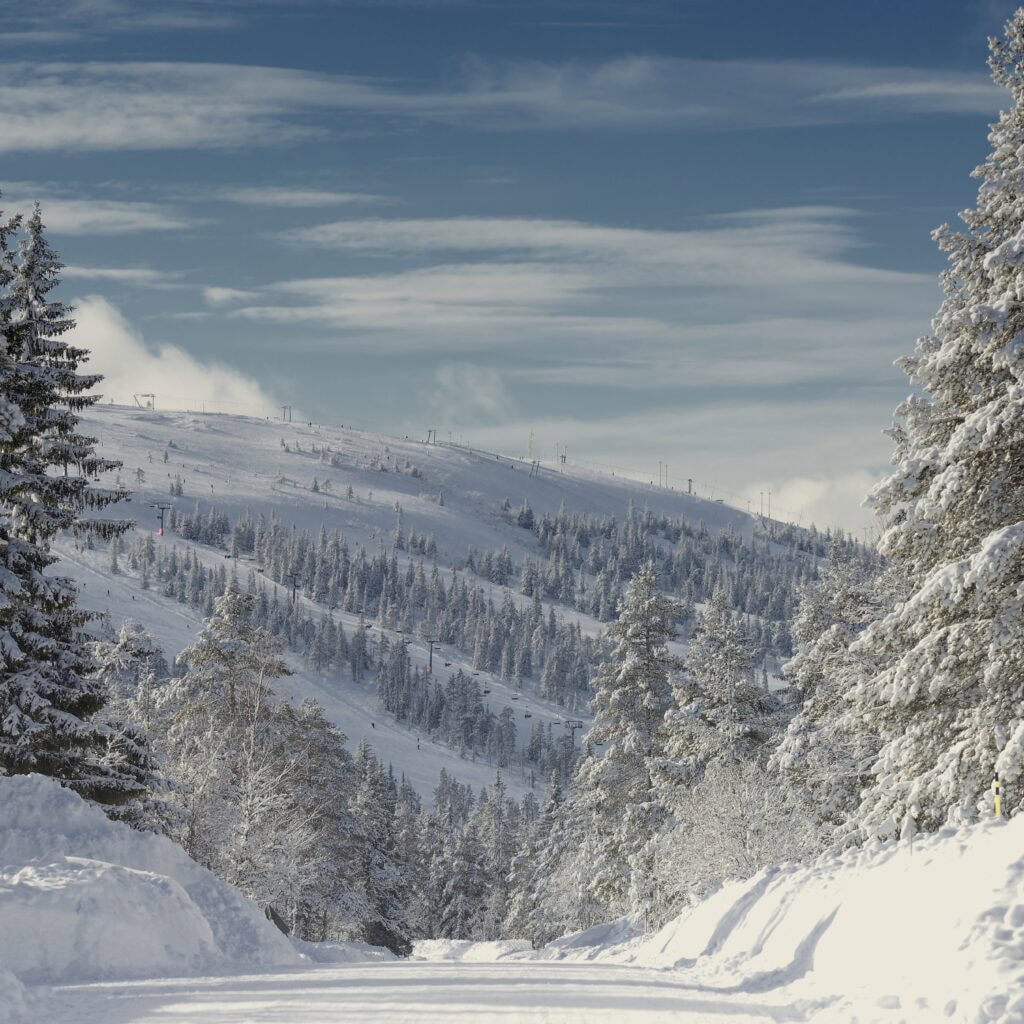
The Mountain Pastures
Fäbod culture, mountain farmers and everyday life in the wilderness of Sälen
The history of Sälen goes back a long way, before ski tourism was even envisaged. Archaeological evidence suggests that people may have been in the area as early as the 7th century, attracted by the rich hunting and fishing opportunities. The name ”Sälen” is derived from the Old Norse word for 'fäbod', which tells us about the original use of the area.
In the 17th century, the community was referred to as ”Yppersta Sääl” in historical documents. Until the middle of the 18th century, Sälen was the northernmost permanent settlement in the entire parish of Transtrand, with only a few shelters further north. When Carl Linnaeus passed through the area in June 1734 during his famous journey through the valley, he described Hemfjället at Sälen as the ”outermost tip” of the mountain range.
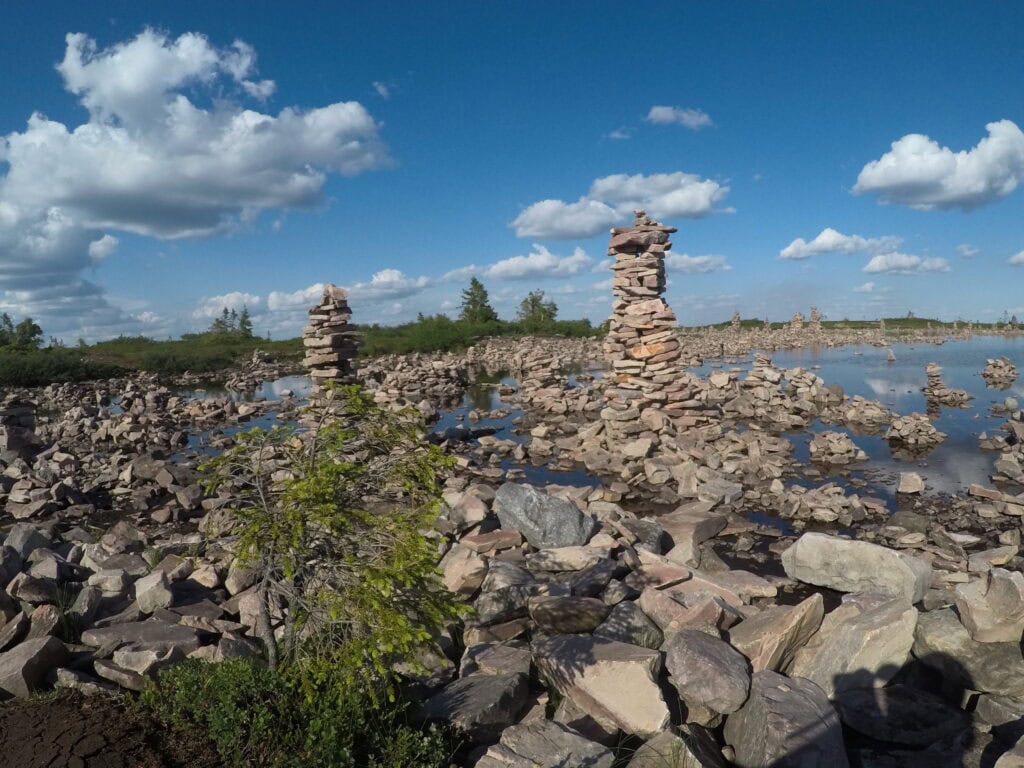
Pastoral life in Dalarna - people, animals and subsistence
Fäbodar in Sälen were not just temporary settlements but complete systems of animal husbandry and food production. As the villages in the valley grew in the 19th and early 20th centuries, it was necessary to seek pasture for the cattle higher and higher up the mountain slopes. When the distance became too great for daily hikes, the pastures were built as seasonal accommodation.
Historical maps show how Sälsäterns, Storgravens and Gruvens fäbodar were established along the mountainsides. Hiking trails and parish roads were built across the Köarskalsfjället mountain to connect these places. In the vicinity of today's Gammelgården, there are still traces of mire mowing and pasture walls that bear witness to this era.
However, the pastoral culture began to decline in the first half of the 20th century, and many of the old pastures are now either dilapidated or converted into holiday homes. At Lindvallen, a traditional sheepfold with sheep, pigs and goats has been recreated, which today is a popular destination for both locals and tourists who want to experience a glimpse of the historical Sälen.
Discover mountain culture with the whole family
Take the family on a historical journey of discovery in Sälen. Visit the reconstructed sheepfold and let the children meet the animals that were once central to everyday life in the mountains.
Annual rhythm and cultural heritage of the mountains
Life in the mountains was characterised by the vicissitudes of nature. The population made a living from farming and herding, but this rarely provided enough for survival. Almost every farm therefore had its own forge where bog iron was processed, extracted from bog ore and smelted in so-called blast furnaces in the forest.
The local sandstone, quarried in the foothills of the mountains, made excellent grinding stones and whetstones. These products were transported by horse-drawn wagons to other settlements in both Sweden and Norway to be sold or exchanged for other supplies. By the end of the 19th century, some of these sidelines had developed into full-fledged industries. For example, the Horrmund scythe mill became famous throughout Scandinavia for its high-quality scythes.
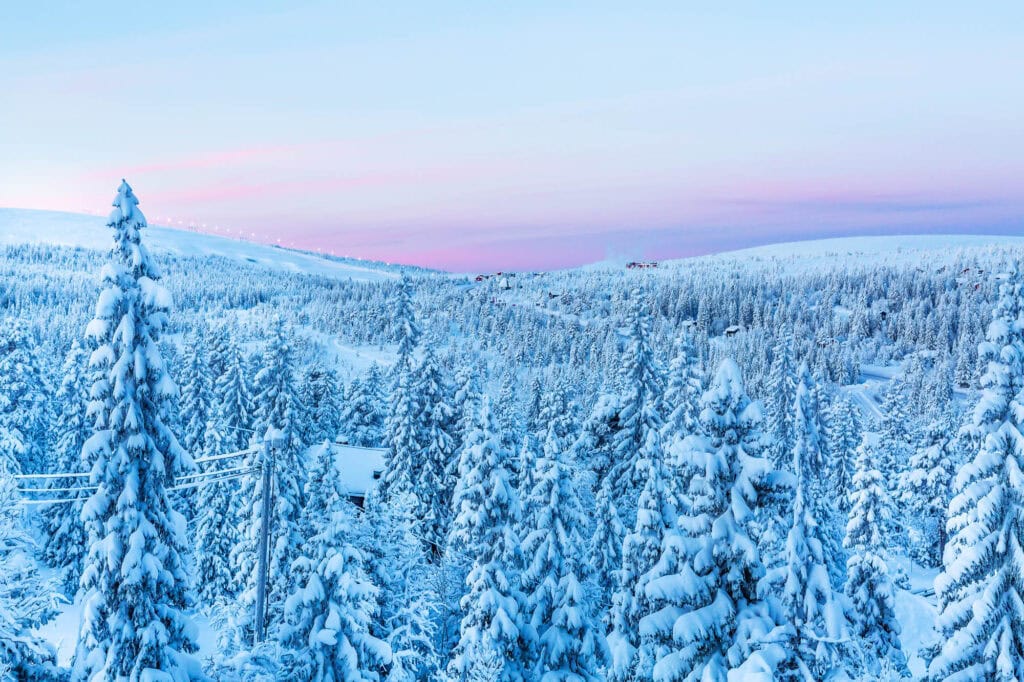
This deep connection to crafts and natural resources has shaped the identity of Sälen and remains an important part of the area's cultural heritage. In autumn, when the mountain scenery explodes in golden and red tones, the link to history becomes particularly tangible for visitors.
The first visitors
The first visitors - hunting, nature romance and the birth of Vasaloppet
Despite its isolated location, there were early visitors who found their way here. According to local tradition, Gustav Vasa spent the night in Olnispagården in 1521 during his flight to Norway. It was here that he was approached by messengers from Mora, who persuaded him to return and lead the rebellion against the Danish king. Legend also has it that the first to join Gustav Vasa's liberation army was a young farmer called Store Gullbrand from Sälen.
In 1903, almost 400 years after this historic event, the Vasa Stone was erected in the western part of the village to mark the site. The monument was inaugurated the following year with great ceremony and festivities. This historical heritage would later prove to be crucial to Sälen's development as a destination and tourist destination.
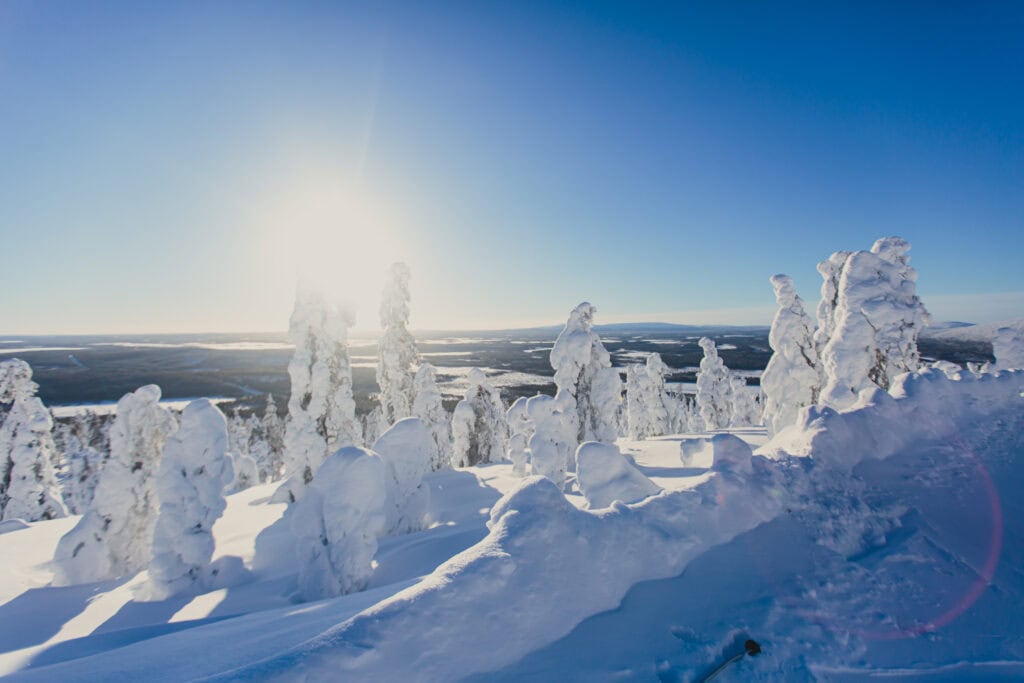
Vasaloppet moulds the identity of Sälen
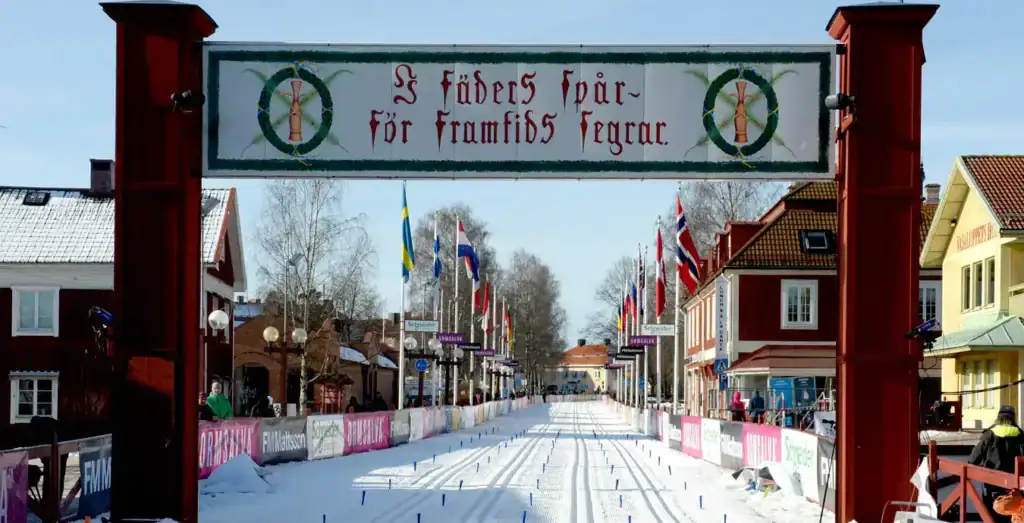
In the early 1920s, the idea of a ski race to honour the 400th anniversary of Gustav Vasa's liberation struggle was raised. The editor Anders Pers from Mora published an article in Vestmanlands Läns Tidning on 10 February 1922 in which he presented the idea of a long-distance ski race between Mora and Sälen, inspired by Gustav Vasa's historic journey.
At a board meeting on 5 March 1922, it was decided to organise the competition on 19 March of the same year. Despite the extremely short registration period, 119 participants signed up. The very first Vasaloppet started at Olnispagården, and the first winner was Ernst Alm from IFK Norsjö with a time of 7 hours and 32 minutes.
Nobody could have predicted that Vasaloppet would develop into such a success story. In 1961, the starting point had to be moved from the western Sälen to its current position in the Berga by, as the valley at the original start was too narrow for the growing number of participants. Today, the Vasaloppet is not only the oldest but also the largest long-distance ski race in the world in terms of participants.
Role of Vasaloppet in the development of Sälen
The Vasaloppet acted as a catalyst for the development of Sälen as a tourist destination. The race not only put Sälen on the map for skiing enthusiasts, but also opened up the area to year-round visitors. Since 2009, the Cykelvasan has also been organised in summer, which has further strengthened Sälen's position as an all-season destination and helped to spread knowledge about the history and nature of the area.
The importance of summer in the history of Sälen
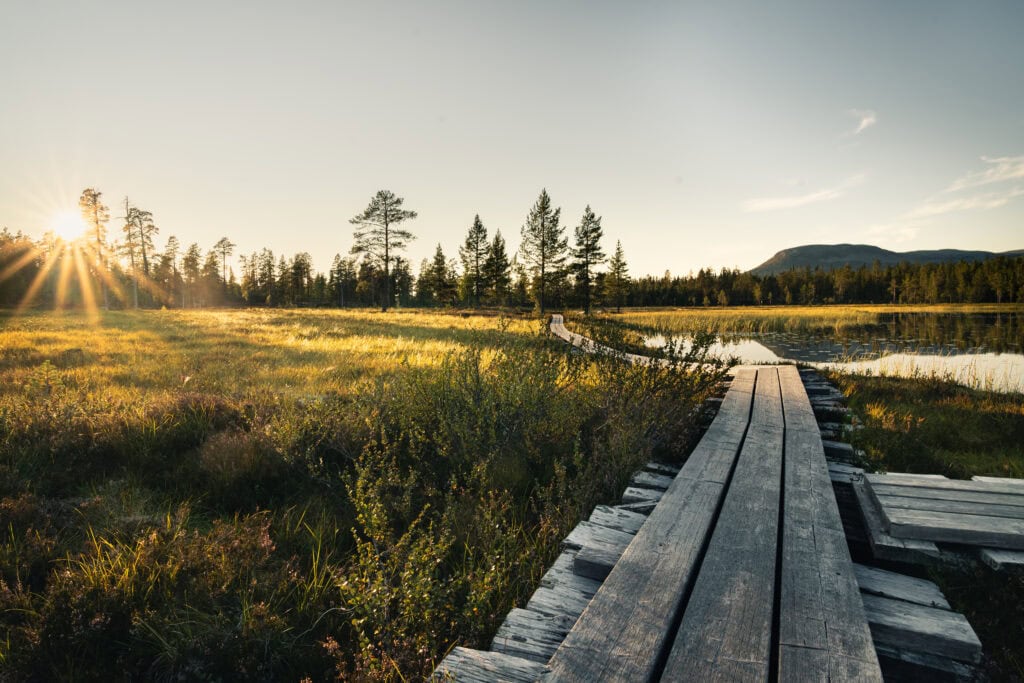
While Sälen is today mainly associated with winter activities, summer tourism has historically played a significant role. Carl Linnaeus's famous journey through the valley in 1734 made the area known to a wider audience and inspired more people to follow in his footsteps to experience the pristine mountain nature.
In the 1930s, outdoor life began to take off in the area. In 1936, Sälenstugan was built at the end of the mountain road as a base for hikers. Sälenfjällen was thus opened up to outdoor enthusiasts, and Köarskalsfjället became particularly popular with its hiking trails and magnificent views of Storfjället. The fresh mountain air and expansive views were timely and attracted visitors from near and far.
Today, Sälen offers a rich variety of summer activities that build on this tradition, from hiking and mountain biking to fishing and canoeing in the area's lakes and rivers. Summer in Sälen is a time when visitors can truly experience the history and culture of the mountains up close.
The skis
From handmade wooden skis to modern ski resorts
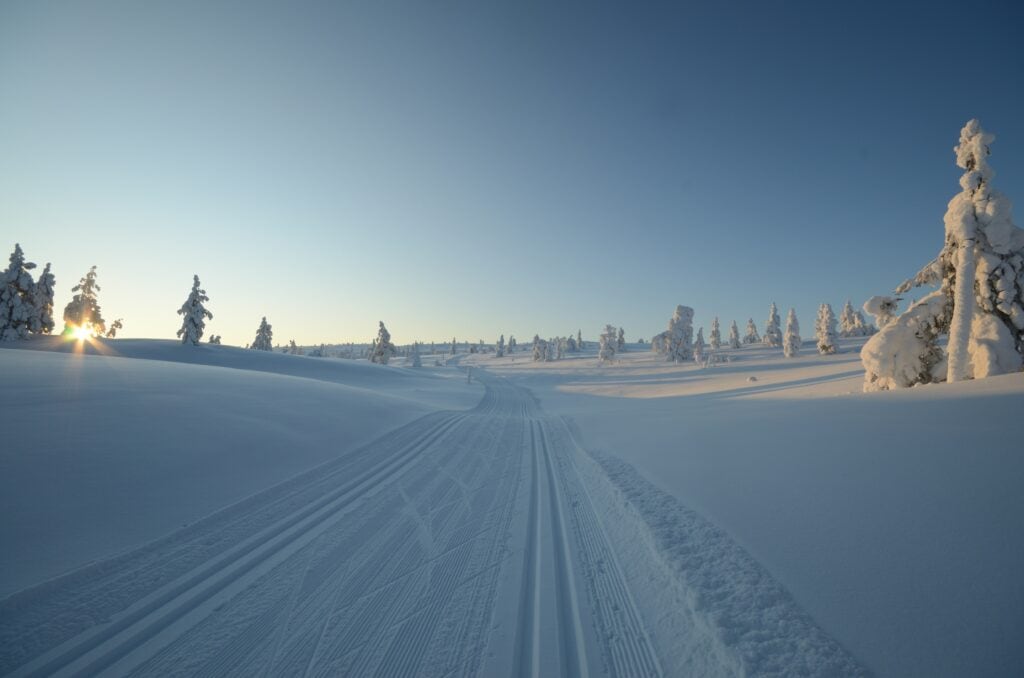
The arrival of the railway in the Sälen area in 1928 gave the first real impetus to tourism in the area. On New Year's Day 1930, the first group of city youths were accommodated in Sälen, and more soon followed in their wake. The train journey was far from comfortable - unheated wooden carriages with a simple coal stove in the centre - but enthusiasm for the mountains overcame any inconvenience.
In the early 1930s, the road from Sälen's village up to Sälfjället was built, further improving accessibility. In the new year 1933-1934, the Stockholm newspaper and Skidfrämjandet organised the first major organised trip to Sälen for 175 schoolchildren. The participants went skiing, took sleigh rides to Støa in Norway and experienced the mountains up close. The event was a great success and received extensive publicity in the national press.
The first ski lifts and the advent of downhill skiing
On 7 April 1946, the first slalom competition was held in the Sälen area, on a slope next to the newly built Sälen hut. The first mechanical ski lift in the area was inaugurated in winter 1949 at the same location. During the winter season, the lift was equipped with ”gallows” that pulled skiers up the slope (similar to today's anchor lifts), but already in the same summer, baskets were installed on the cable car to allow operation also during the bare ground season. This was the first cable car with summer operation in Sweden.
In the 1950s, Sälen's second ski lift was inaugurated at the newly built Högfjällshotellet, which had opened its doors to guests at Easter 1937. The hotel was built on the initiative of the Norwegian entrepreneur Johan Wilhelm Klüver and quickly established itself as a centre for the growing mountain tourism in the area.
In 1960 there were about 100 holiday homes in the entire Sälen area. In the early 1960s, the municipality of Lima began selling plots for holiday homes in Tandådalen. The ski lift in Tandådalen, located on the Västra Kalven mountain, was opened in 1962. In the same year, the Caravan Club caravan park was established next to the lift, marking the beginning of a new era for tourism in the area.

Experience today's modern ski resorts
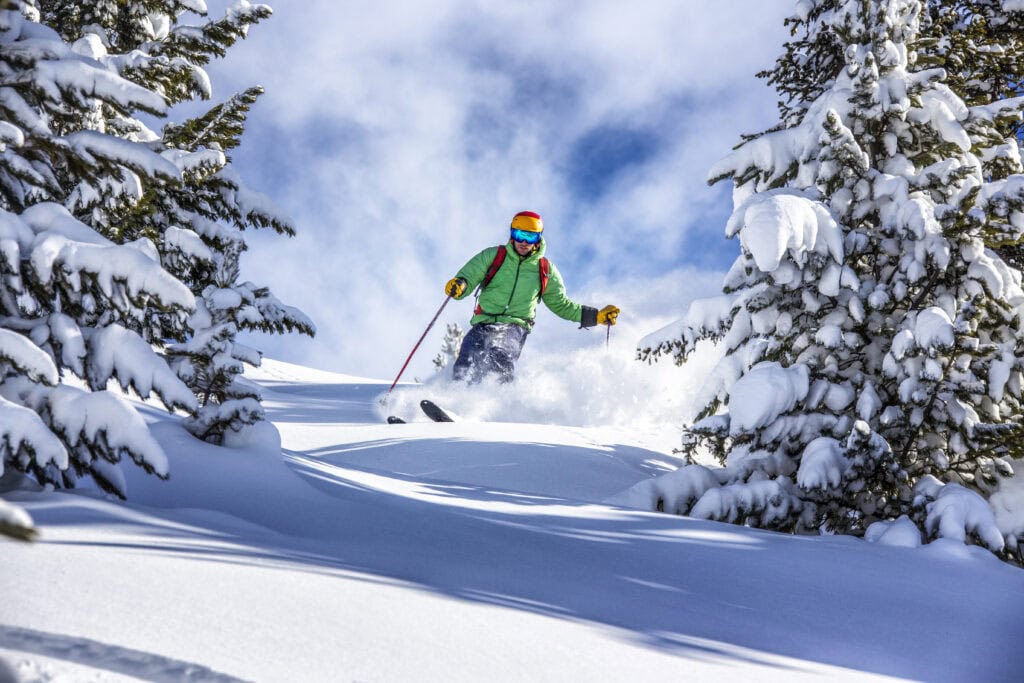
From simple wooden skis to today's high-tech ski resorts, experience the results of the Sälen's fascinating evolution by visiting one of the area's modern ski resorts with hundreds of slopes and lifts.
Sälen to become a centre for winter tourism
The ski resort on the neighbouring Hundfjället mountain opened in 1966, followed by Lindvallen in 1967, Stöten in 1976 and Kläppen, located south of the town, which opened in 1982. Each resort has its own unique history and character, but together they have helped to make Sälen one of Sweden's premier ski areas with international appeal.
Today, Sälen includes seven winter sports centres of varying sizes. The largest are Lindvallen/Högfjället and Tandådalen/Hundfjället, which are owned and operated by Skistar. Lindvallen and Hundfjället have a clearer family profile with extensive children's areas, while Tandådalen offers more challenging skiing for experienced skiers.
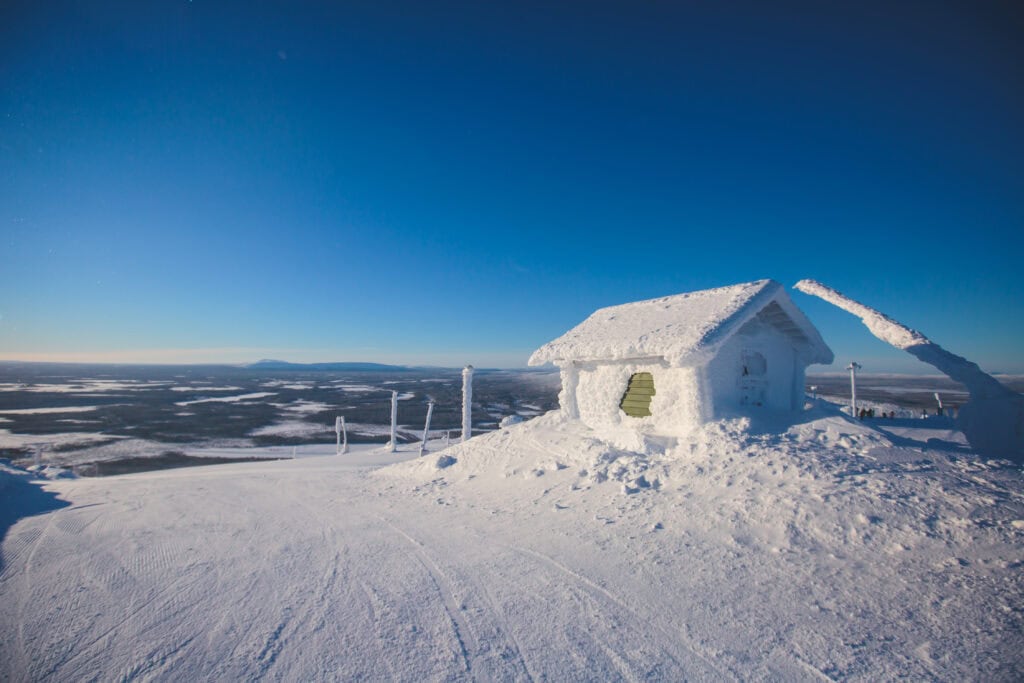
The Christmas and New Year holidays are highlights in the Sälen winter calendar, with thousands of visitors heading to the mountains to experience snow, skiing and a cosy atmosphere. The tradition of celebrating Christmas and New Year in the mountains has become an important part of many Swedish families' lives and adds to the special atmosphere of the area.
The future
The Sälen of the future - a destination for all seasons and interests
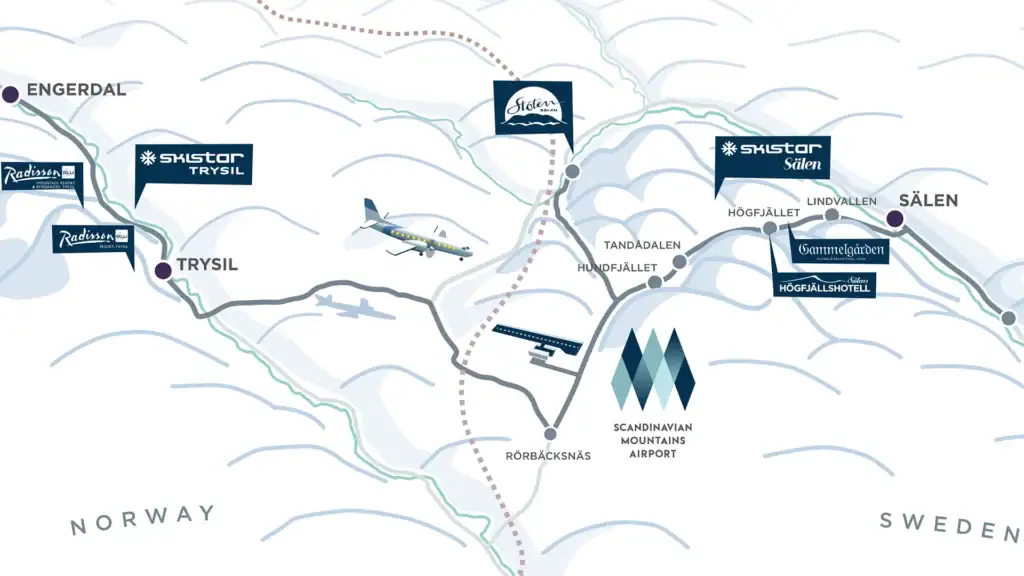
In December 2019, Sälen Trysil Airport, also known as Scandinavian Mountains Airport, was inaugurated, becoming the first new airport in Sweden in 20 years. The airport has opened up Sälen to international visitors and made the area more accessible all year round, marking a new chapter in the history of the region.
The ski resorts in the Sälen area are today one of the country's largest visitor destinations with over 2 million guest nights annually. The area has also hosted several international sports events. A slalom World Cup was organised in Stöten in 1990, Hundfjället has hosted the World Cup in speed skiing several times, and the World Cup in snowboarding has also been organised in Tandådalen in the past.
The mountains as a lifestyle and year-round destination
Sälen has evolved from a seasonal ski resort to a complete year-round destination where activities and experiences are available in all seasons. The O-Ringen orienteering competition has been organised in Sälen on two occasions, in 2008 and 2016, illustrating the area's breadth as a sports destination beyond winter sports.
Local sporting life is characterised by Sälens IF, which was founded in 1922, the same year as the first Vasaloppet. The association has several active sections, including alpine skiing, cross-country skiing, football, athletics and cycling. The association's activities are concentrated at Tjärnhedens IP, located south of the town centre, and help to keep the village's traditions and community alive.
Activities & Adventures in today's Sälen
Whether you're looking for adrenaline-fuelled adventures or tranquil nature experiences, today's Sälen offers something for all tastes and ages. From mountain biking and ziplines in summer to skiing and dog sledding in winter, the possibilities are virtually endless in this historic mountainous region.
At Sälengodset we are happy to help you plan your stay with activities that suit you and your party, whether you are a company on team building or a family on holiday in the scenic mountain environment.
Sustainability and localisation in modern times
As tourism grows, sustainability issues are becoming increasingly important for the future of the Sälen area. Modern visitors seek not only experiences but also a responsible approach to nature and the environment. Sälen is actively working on sustainability issues, from energy-efficient facilities to locally produced food and environmentally friendly transport options.
More and more visitors are choosing to travel to Sälen by electric car, and the charging infrastructure is continuously being expanded to meet this growing demand. At the same time, the new airport offers a convenient alternative for long-distance visitors, reducing the need for long car journeys and thus carbon emissions.
Events, culture and modern mountain community
Today, Sälen is not only a place for nature experiences but also for culture and events linked to the history of the area. Since 1993, the annual security policy conference People and Defence has been held at Högfjällshotellet, where politicians, government representatives, business and civil society gather to discuss security policy and crisis preparedness.
During the autumn holidays, Sälen is filled with families heading to the mountains for activities and relaxation before the winter season starts in earnest. It's the perfect time to experience the colours of the mountains and take part in the many activities organised for children and adults alike, while learning about the rich cultural history of the area.
Which house is best suited to your stay?
We manage the properties and can combine them. The table shows what is currently available.
| Company | Outline | Guests | Bedroom | Location | A whole week | Sun–Thu | Thu–Sun |
|---|---|---|---|---|---|---|---|
| Over 30 guests | Sälengodset + Fjällgodset + Winebunker combination | 53 | 22 | Gamla Sälfjällstangen | 4 Oct (37 dates) | 4 Oct (43 dates) | 1 Oct (38 dates) |
| 21–30 guests | Sälengodset + Fjällgodset combination | 43 | 19 | Gamla Sälfjällstangen | 4 Oct (37 dates) | 4 Oct (43 dates) | 1 Oct (38 dates) |
| Up to 24 | Gattarstugan | 24 | 11 | Tandådalen | 4 Oct (43 dates) | 4 Oct (45 dates) | 1 Oct (47 dates) |
| Up to 22 | Fjällgodset | 22 | 10 | Gamla Sälfjällstangen | 4 Oct (38 dates) | 4 Oct (44 dates) | 1 Oct (39 dates) |
| Up to 21 | Sälengodset | 21 | 9 | Gamla Sälfjällstangen | 4 Oct (42 dates) | 4 Oct (46 dates) | 1 Oct (45 dates) |
| Up to 21 | Olarslodgen | 21 | 8 | Sälfjällstorget | 4 Oct (33 dates) | 4 Oct (30 dates) | 1 Oct (29 dates) |
| Up to 15 | The Stone Lodge | 15 | 5 | Sälfjällstorget | Coming soon | Coming soon | Coming soon |
| Up to 12 | Villa Åsstigen | 12 | 5 | Gilleråsen | Coming soon | Coming soon | Coming soon |
| Up to 10 | Winebunker | 10 | 3 | Gamla Sälfjällstangen | 4 Oct (51 dates) | 4 Oct (51 dates) | 1 Oct (52 dates) |
| Up to 8 | The Skiers Lodge | 8 | 4 | Lindvallen | Coming soon | Coming soon | Coming soon |
The dates shown are the next available arrival dates; the figure in brackets indicates the number of available periods in the coming year. As we manage the properties ourselves, we can combine them, and the combinations are only shown when all properties are available at the same time. The information is updated automatically from our booking system.
With us
Experience the history of Sälen up close with us
The history of Sälen is a fascinating journey from simple mountain huts to a modern world-class tourist destination. At Sälengodset, Fjällgodset and Olarslodgen, we've taken this rich history and created accommodation where you can experience the best of both past and present in the heart of Dalarna's mountain world.
Our cottages and apartments are built with respect for the traditions of the mountains, while offering all the comfort and convenience that modern travellers expect. Here you can experience history while enjoying high quality service and modern accommodation.
Stay in a historic setting with modern comfort
Let us help you create your own chapter in the history of Sälen. Book your stay at Sälengodset, Fjällgodset or Olarslodgen and experience the magic of the mountains, whatever season you choose to visit us.
Want to know more about what Sälen has to offer today? Explore our guides to walking, activities and attractions in the area. Whether you're interested in history, nature or adventure, there's something for you to discover in Sälen.
Sälen's history is the story of how the mountains became one of Sweden's most beloved destinations - from small mountain huts to today's vibrant ski paradise. If you want to delve into more stories about the area, read more in our Knowledge bank where we have collected guides on Sälen, mountain life and local traditions.
Are you planning a visit today? Contact us and we will help you find the right accommodation and experiences. You can also explore more activities and adventures showing the modern history of the mountains in motion.
Discover Sälen: More than just skiing
Here are some hand-picked places to stay and websites for your stay in Sälen:
Accommodation in Hundfjället - Accommodation in Tandådalen - Tandådalen in Sälen - Rent a large cottage in Sälen